2 दिन का वाराणसी यात्रा कार्यक्रम
The Perfect 2-Day Varanasi Itinerary
The Perfect 2-Day Varanasi Itinerary
Experience the soul of Varanasi through morning boat rides on the Ganges, visits to ancient temples, peaceful moments in Sarnath, and the mesmerizing evening Ganga Aarti ceremony.
Day 1: Spiritual Awakening
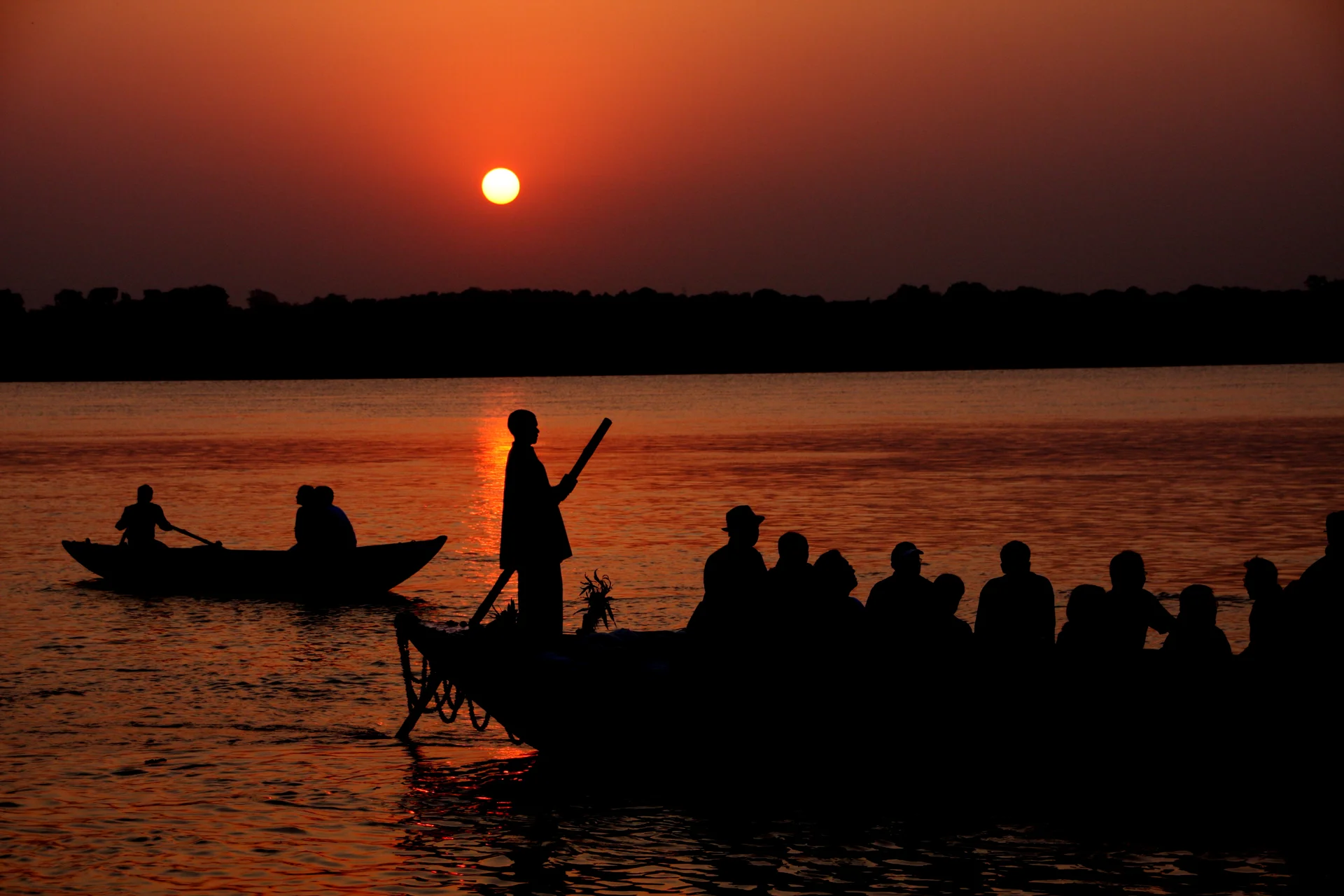
🌅 Sunrise Boat Ride on the Ganges
Begin with a magical 90-minute boat ride. Witness thousands of pilgrims performing Surya Namaskar and ritual baths as the sun paints the sky golden. Cost: ₹200-400 per person.
🛕 Dashashwamedh Ghat Exploration
The main ghat of Varanasi with vibrant morning energy. Walk the bustling steps, observe pilgrims, and feel the raw spiritual atmosphere where thousands gather for evening rituals.
🛕 Kashi Vishwanath Temple Darshan
Visit the Golden Temple, one of 12 Jyotirlingas dedicated to Lord Shiva. Morning hours are less crowded. Free entrance. Dress modestly - this is Varanasi's spiritual soul.
🚶 Vishwanath Gali Lane Walk
Navigate narrow labyrinthine lanes. Shop souvenirs, taste kachori-sabzi and lassi, observe artisans. Get lost intentionally - every corner reveals hidden gems.
Afternoon & Evening: Buddhist Heritage
12:00 PM – 9:00 PM
🍽️ Authentic Banarasi Lunch
Enjoy Banarasi thali (₹80-150) at ghat-side restaurant. Try kachori-sabzi, tamatar chaat, banarasi paan. Budget: ₹150-300 with lassi.
🚕 Sarnath Excursion (25 km)
Visit where Buddha delivered his first sermon. See Dhamek Stupa (₹25), Archaeological Museum (₹25), Deer Park, Chaukhandi Stupa. Transport: ₹600-800 auto.
🏛️ Ghat Walk & Sunset
Explore Manikarnika Ghat respectfully, witness pre-Aarti atmosphere. Golden hour transforms the Ganges into liquid gold.
🔥 Evening Ganga Aarti
The day's climax! Witness 45-minute ritual with fire, incense, and bells at Dashashwamedh. Boat viewing (₹300-500) recommended for best views.
Day 2: Hidden Gems & Sacred Sites
Morning: 5:00 AM – 12:00 PM
Assi Ghat Sunrise
Experience quieter, more meditative sunrise in southern Varanasi. Fewer crowds, serene atmosphere. Perfect for photography and introspection with different energy than Day 1.
BHU Campus Walk
Stroll through Banaras Hindu University's beautiful campus. Visit BHU New Vishwanath Temple - the most architecturally elegant temple in the area.
What's New in Varanasi: 2026 Updates
Varanasi is changing faster than at any time in living memory, and a few recent developments are worth building into your two days.
🪔 Daily Ganga Aarti at Lalita Ghat
Since March 2026 (it began during Chaitra Navratri), a daily Ganga Aarti has been performed at Lalita Ghat, directly below the Kashi Vishwanath Dham entrance. It is smaller and calmer than the grand ceremony at Dashashwamedh, so if big crowds are not your thing, this is now the most peaceful way to end Day 1. A lovely combination: watch the Dashashwamedh aarti from a boat on your first evening, then attend the intimate Lalita Ghat aarti on your second.
🚡 Kashi Ropeway: Cantt to Godowlia
India's first urban public ropeway is in its final testing phase in Varanasi. The 3.75 km line will link Varanasi Cantt railway station to Godowlia Chowk — the gateway to Kashi Vishwanath Temple and Dashashwamedh Ghat — through five stations, with fares expected around ₹50–100. Once public services begin, the slowest part of any Varanasi itinerary, the traffic crawl between the station and the old city, should shrink to roughly fifteen minutes. Ask locally whether it has opened when you visit.
🌊 Namo Ghat: The Modern Riverfront
Namo Ghat (locals still call it Khidkiya Ghat), near Rajghat under the Malviya Bridge, is Varanasi's newest and most spacious ghat — a 1.5 km riverfront famous for its giant namaste sculptures, with a food court, clean facilities, wheelchair-friendly ramps and a well-organised evening aarti. It lacks the ancient atmosphere of the old ghats, but for families, elderly travellers and anyone who wants breathing room, it is an easy add-on on the way back from Sarnath.
🛕 Kashi Vishwanath Dham Corridor
The corridor now connects the sanctum of Kashi Vishwanath directly to the river at Lalita Ghat: pilgrims can take a holy dip in the Ganga and walk up the grand carved pathway straight to the deity, exactly as tradition describes. Leave phones, cameras and large bags in the free lockers at the gates — they are not allowed inside the complex.
🚩 Travelling During Sawan (30 July – 28 August 2026)
The holy month of Shravan begins on 30 July 2026 and runs to 28 August, which is also Raksha Bandhan. On the four Sawan Mondays — 3, 10, 17 and 24 August — Kashi Vishwanath sees its heaviest crowds of the entire year, with darshan queues of four to eight hours and lakhs of saffron-clad kanwariyas in the streets. If your two days fall inside Sawan, plan your temple visit for a non-Monday, arrive before 6 AM, and soak up the festival electricity everywhere else — the city is at its most alive all month.
Practical Tips for a Smooth 48 Hours
🚕 Getting In and Around
Lal Bahadur Shastri Airport is about 25 km from the ghats — 60 to 90 minutes by prepaid taxi (₹800–1,200). From Varanasi Cantt or Banaras railway station, autos and e-rickshaws reach Godowlia in 20–40 minutes depending on traffic. Inside the old city your feet are the only reliable transport: vehicles cannot enter the lanes, and most of this itinerary happens within one walkable riverside strip. Use the ghat-side walkway to move between Assi and Dashashwamedh — faster and far more atmospheric than the road.
🌧️ Monsoon Note (July–September)
When the Ganga swells in the monsoon, the lower steps of the ghats flood, the continuous ghat walk gets diverted through the lanes, and boat rides are shortened or suspended for safety. The evening aarti still happens every single day — it simply moves higher up the steps. Carry a light raincoat, wear sandals with grip, and treat a misty monsoon sunrise over the swollen river as its own reward.
💰 Budget Breakdown
₹3,500 for two days is realistic for one person travelling simply: roughly ₹500 for boat rides, ₹600 for autos and e-rickshaws including the Sarnath round trip, ₹700 for meals (street food is gloriously cheap), ₹200 for offerings and lockers, and the rest as buffer. Comfortable mid-range rooms near the river start around ₹1,500–2,500 per night — see our guide to hotels and stays in Varanasi.
🙏 Etiquette Essentials
Dress modestly at temples (shoulders and knees covered), remove shoes where indicated, and never photograph cremations at Manikarnika or Harishchandra Ghat. Ask before photographing sadhus — many expect a small donation. Agree on boat and rickshaw fares before you board, not after.
🗺️ Want More Time?
If you can stretch your trip, our 3-day Varanasi itinerary adds the weaving quarters, Ramnagar Fort and deeper food exploration, while the heritage walk itinerary threads the old city's hidden shrines and havelis. Browse all the places to visit in Varanasi to customise your own route.
Frequently Asked Questions
Is 2 days enough for Varanasi?
Two days cover the essential Varanasi experience comfortably: the sunrise boat ride, Kashi Vishwanath darshan, the old-city lanes, Sarnath and the evening Ganga Aarti. What you sacrifice is slowness — the aimless wandering that makes many visitors fall in love with the city. If a major festival like Dev Deepawali falls during your dates, or if you want the classical-music and weaving side of Banaras, add a third day.
What does a boat ride cost in 2026?
Shared sunrise rowboats on the classic Assi-to-Manikarnika stretch cost about ₹200–400 per person for around an hour; a private rowboat runs ₹500–1,000 per hour depending on your bargaining. Motorboats are cheaper per seat but noisier — the rowboat silence at dawn is worth the difference. Expect prices to double or triple around Dev Deepawali in late November, and note that high monsoon water can limit rides to short loops.
Which aarti should I attend — Dashashwamedh, Assi, Namo or Lalita Ghat?
Dashashwamedh is the grandest and most famous, best seen from a boat. Assi Ghat is more intimate and also hosts the beautiful Subah-e-Banaras ceremony at dawn, with Vedic chanting and open-air yoga. Namo Ghat's aarti is spacious and family-friendly, and the new Lalita Ghat aarti (daily since March 2026) is the quietest of all. With two evenings, see Dashashwamedh once and pick a calmer ghat for the other.
Is Varanasi safe for solo travellers?
Yes — Varanasi is one of India's most walkable and sociable cities for independent travellers, with busy public spaces from 4 AM until late. Use normal precautions around touts near the main ghats and railway station, and firmly decline unsolicited "guides". Our solo travel guide covers neighbourhood-by-neighbourhood tips.
Can I take my phone into Kashi Vishwanath Temple?
No. Phones, cameras, smartwatches, leather items and large bags must be deposited in the free lockers at the corridor gates. Carry only your wallet and a government ID (foreign visitors: passport). Queues are shortest before 6 AM; avoid Mondays year-round and especially the Sawan Mondays of August 2026.
Is Sarnath really worth half a day?
Absolutely. This is where the Buddha preached his first sermon, and the Dhamek Stupa, the excavated monastery ruins and the museum housing the Lion Capital of Ashoka — India's national emblem — form one of the subcontinent's great archaeological sites. Recent landscaping upgrades have made it a genuinely pleasant half-day. Note the museum stays closed on Fridays.
💰 Total Budget
₹3,500 for 2 days
🕐 Best Time
October to March
📍 Starting Point
Dashashwamedh Ghat
🛕 Must Visit
Kashi Vishwanath Temple