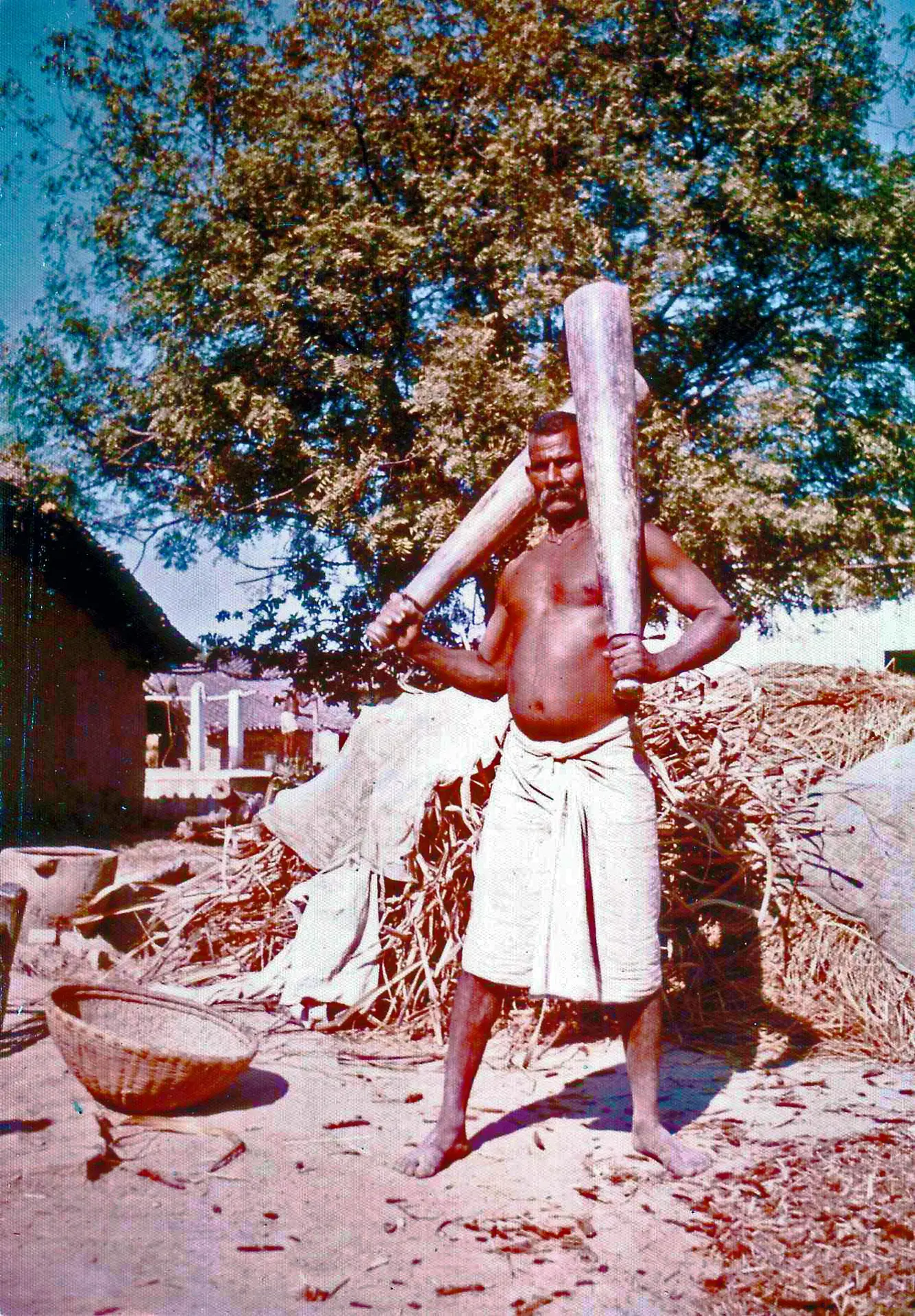
वाराणसी अखाड़ा: बनारस में पारंपरिक कुश्ती जिम
Varanasi Akhara: Traditional Wrestling Gyms in Banaras
Varanasi Akhara Guide
Discover the ancient wrestling traditions at Varanasi's akharas along the sacred Ganges.
Varanasi, known as Banaras, is home to historic akharas where pehlwans practice kushti, blending physical prowess with spiritual discipline. These gyms are scattered near ghats like Hanuman Ghat and Assi Ghat, preserving a centuries-old heritage. Explore how akharas embody the city's cultural and martial legacy.
Varanasi Akhara at a Glance
Types of Akharas in Varanasi
Explore the diverse akharas that define Banaras's wrestling and spiritual scene.
Shaiva Akharas
Linked to Lord Shiva, these akharas near Kashi Vishwanath focus on ascetic wrestling traditions.
Vaishnava Akharas
Devoted to Vishnu, found in areas like Bhelupur, emphasizing discipline and devotion.
Ghat-Side Akharas
Located along Dashashwamedh and Manikarnika Ghats, ideal for riverside training.
Naga Akharas
Naked warrior monks' gyms in Lanka, blending martial arts with spirituality.
Neighborhood Akharas
Community spots in Sigra and Cantonment, open to local enthusiasts.
Dawn Training Akharas
Early morning sessions at Assi Ghat, starting with sunrise rituals.
Timeline of Varanasi Akharas
Origins in Ascetic Traditions
Akharas emerge as monastic orders for warrior sadhus in Kashi.
Mughal Era Flourishing
Akharas gain prominence near ghats during Akbar's reign.
Establishment of Major Akharas
Founding of akharas like those at Hanuman Ghat amid Maratha influence.
British Colonial Period
Akharas serve as resistance hubs, preserving kushti traditions.
Modern Revival
Post-independence, akharas integrate with BHU and local sports.
Cultural Preservation
Akharas attract tourists and wrestlers near Sarnath and beyond.
Tips from Banarasi Locals
Best Time to Visit
Early mornings around 5-7 AM for live training sessions, especially in cooler months from October to March.
How to Reach
Take a cycle rickshaw from Godaulia to Hanuman Ghat or Assi Ghat; akharas are walking distance from major landmarks.
What to Wear
Comfortable athletic wear; remove shoes before entering, and respect the sacred space.
Etiquette
Ask permission before photographing; offer a small donation if participating in rituals.
Nearby Eats
Grab lassi or chai from street vendors near the ghats after watching a session.
Frequently Asked Questions
What is an akhara in Varanasi?
An akhara is a traditional wrestling gym where pehlwans train in kushti, often tied to spiritual sects. In Banaras, they are found near ghats and temples, combining physical fitness with religious practices.
Can tourists visit Varanasi akharas?
Yes, many akharas welcome visitors to observe training, especially at public ones like those at Assi Ghat. It's best to go respectfully and early in the morning.
What is the history of akharas in Banaras?
Akharas date back centuries, evolving from monastic warrior groups. They flourished under various rulers and continue as cultural hubs today.
Are there women in Varanasi akharas?
Traditionally male-dominated, some modern akharas near BHU are opening to women wrestlers. However, most remain focused on men's training.
How do akharas relate to Kumbh Mela?
Varanasi akharas are part of larger akhara networks that participate in Kumbh Mela processions. Naga sadhus from local akharas often lead rituals there.
Where are the best akharas to see in Varanasi?
Check out akharas at Hanuman Ghat, Tulsi Ghat, and near Kashi Vishwanath for authentic experiences.