भारतीय पुरातत्व सर्वेक्षण - खुदाई के अवशेष
Before you go
The story
Step into layers of ancient history at Rajghat's Archaeological Survey of India excavations, where millennia of Varanasi's story lie buried beneath your feet. These carefully preserved excavated remains reveal the continuous habitation of this sacred city from the 6th century BCE onwards.
Walk through exposed foundations, ancient pottery shards, and structural remains that chronicle Varanasi's evolution. The site showcases different periods of construction, with clear stratification visible in the excavated trenches. Information boards explain the significance of various finds, from ancient coins to terracotta figurines.
The excavations reveal how the Ganges riverbank has shifted over centuries, with ancient ghats now buried under later constructions. You can observe the techniques used by archaeologists and understand how urban settlements developed in one of the world's oldest continuously inhabited cities.
Best Photography: Early morning light creates dramatic shadows in the excavated trenches
Combine with: Visit nearby Rajghat and Buddha's first sermon site for complete historical context
Expert Tip: Look for the distinct black pottery pieces - they're markers of ancient trade routes
Quiet Hours: Weekday afternoons offer peaceful exploration without crowds
+91-542-406-1369
Free for all visitors
Comfortable walking shoes recommended
ASI information boards available
Getting there
From visitors
No reviews of Archaeological Survey of India - Excavated Remains yet. Be the first.
Explore around
Archaeological Survey of India - Excavated Remains (भारतीय पुरातत्व सर्वेक्षण - खुदाई के अवशेष) is a cultural site in Rajghat, Varanasi.
Also listed in Rajghat: 391 schools, 264 clinics, 242 shops, 135 banks, 129 colleges, 121 religious sites.
Lal Khans Mosque
लाल खान मॉस्क
Religious site, Rajghat, right next door
Bhartiya Park
भारतीय पार्क
Park, Rajghat, 40 m away
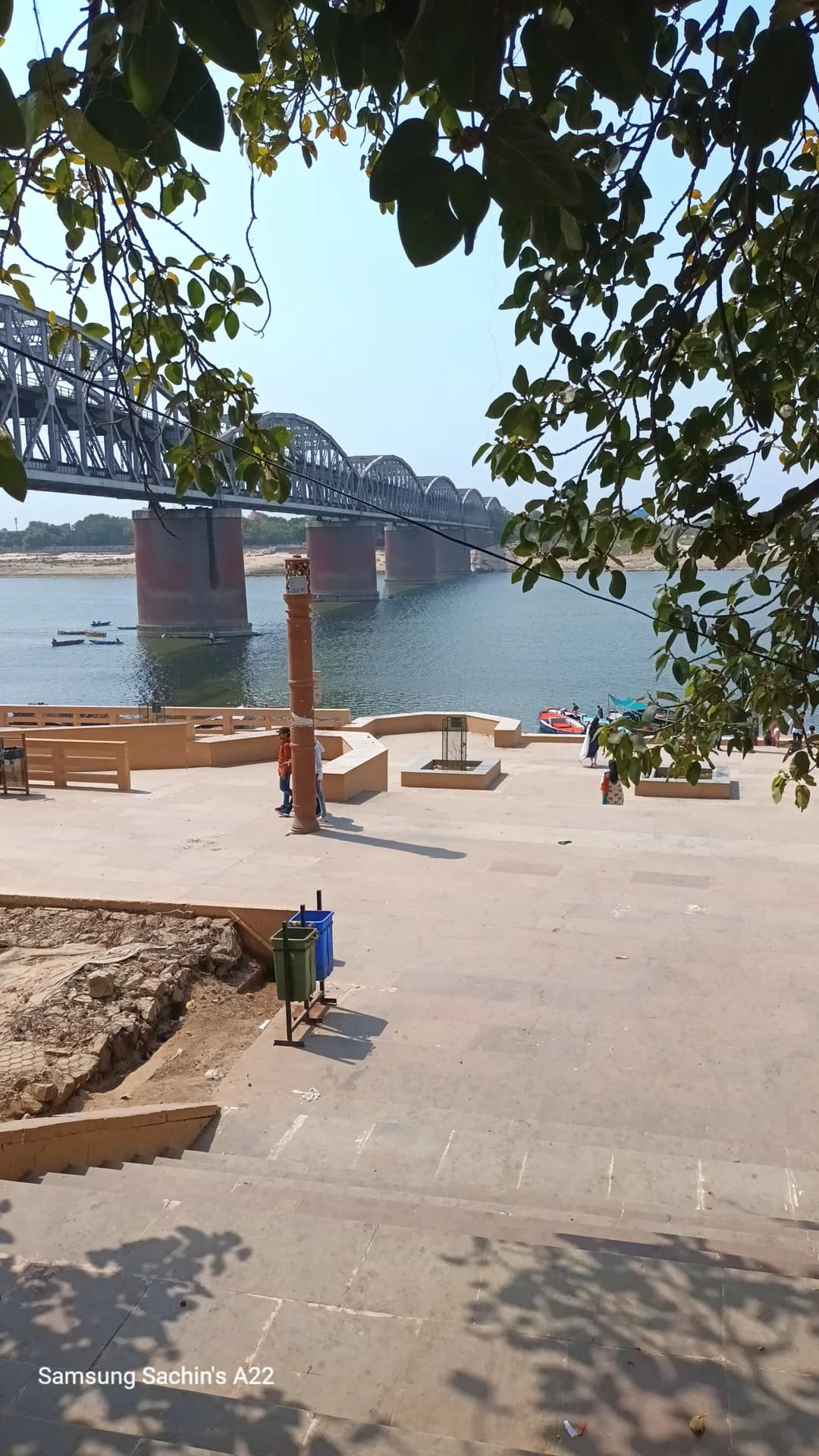
Namo Ghat
नमो घाट
Ghat, Rajghat, 110 m away
New Prayers Hand Namo Ghat
न्यू प्रेयर्स हैंड नमो घाट
Entertainment, Rajghat, 150 m away
Water Tank
जल टैंक
Utility office, Rajghat, 180 m away