श्री श्री सती माता मंदिर
Plan ahead
Like most neighbourhood Devi temples in Varanasi, aarti is typically performed in the morning around sunrise and in the evening around sunset. Timings shift with the season, and special aartis are held during Navratri. Please confirm exact times with the temple priest or local residents.
Before you go
The story
Tucked into the residential lanes of Tulsipur near Motijheel, Shree Shree Sati Mata Mandir is a neighbourhood shrine to the Mother Goddess. Here Banaras worships quietly, far from the tourist crowds.
Sati, also called Dakshayani, was the daughter of King Daksha and the first consort of Lord Shiva. Her father insulted Shiva at his great yajna, and Sati gave up her body in the sacrificial fire. A grieving Shiva carried her body across the cosmos. Tradition holds that wherever parts of it fell, a Shakti Peetha arose. Kashi has its own: the Vishalakshi temple near Mir Ghat, where her earring is said to have fallen.
Across Purvanchal, the name Sati Mata is also given to locally revered mother shrines. Families and whole mohallas treat such a shrine as a protective presence. Shree Shree Sati Mata Mandir belongs to this living tradition of neighbourhood devotion. People come here to make vows, give thanks for answered prayers, and begin new chapters of life with the Mother's blessing.
A red or gold-bordered veil for the goddess. It is the classic offering after a vow is fulfilled.
Symbols of saubhagya. Married women offer these while praying for the wellbeing of their families.
A coconut, batasha or laddoo is offered and then shared back as prasad.
A small ghee lamp and a string of marigolds or red hibiscus, the flower most dear to the Devi.
This is no grand stone complex. It is an intimate mohalla temple woven into everyday Tulsipur life. Expect the clang of the temple bell, the smell of incense and fresh marigolds, and vermilion-smeared offerings at the sanctum.
Mornings are calm, with neighbours stopping by on their way to work or the market. Evenings feel warmer and livelier. Lamps are lit, women sometimes gather to sing Devi geet, and children run between the courtyard and the lane.
During Chaitra and Sharad Navratri the shrine comes alive with lights, decorations, bhajans and a steady stream of devotees. Those are the days to come if you want to feel the full devotional energy of a Banarasi neighbourhood.
The temple sits in the Mahmoorganj–Motijheel stretch, a short auto or e-rickshaw ride from Sigra and Lanka. It pairs naturally with a visit to Durga Kund or Sankat Mochan on the same outing.
Free. Offerings are optional and voluntary.
Typically open from early morning to late evening, possibly with a midday break. Confirm locally.
Modest clothing with shoulders and knees covered. Remove footwear before entering.
Tulsipur, Motijheel, in the Mahmoorganj area of Varanasi.
Getting there
From visitors
Rate Shree Shree Sati Mata Mandir
No reviews of Shree Shree Sati Mata Mandir yet. Be the first.
Explore around
Shree Shree Sati Mata Mandir (श्री श्री सती माता मंदिर) is a religious site on Tulsipur motijheel in Tulsipur, Varanasi.
Also listed in Tulsipur: 218 shops, 97 schools, 81 clinics, 45 hospitals, 45 restaurants, 32 utility offices.
Shivam Pest Control
शिवम पेस्ट कंट्रोल
Utility office, Tulsipur, 50 m away
Dr Nainee's Dentistry
डॉ नाइनी का डेंटिस्ट्री
Clinic, Tulsipur, 60 m away
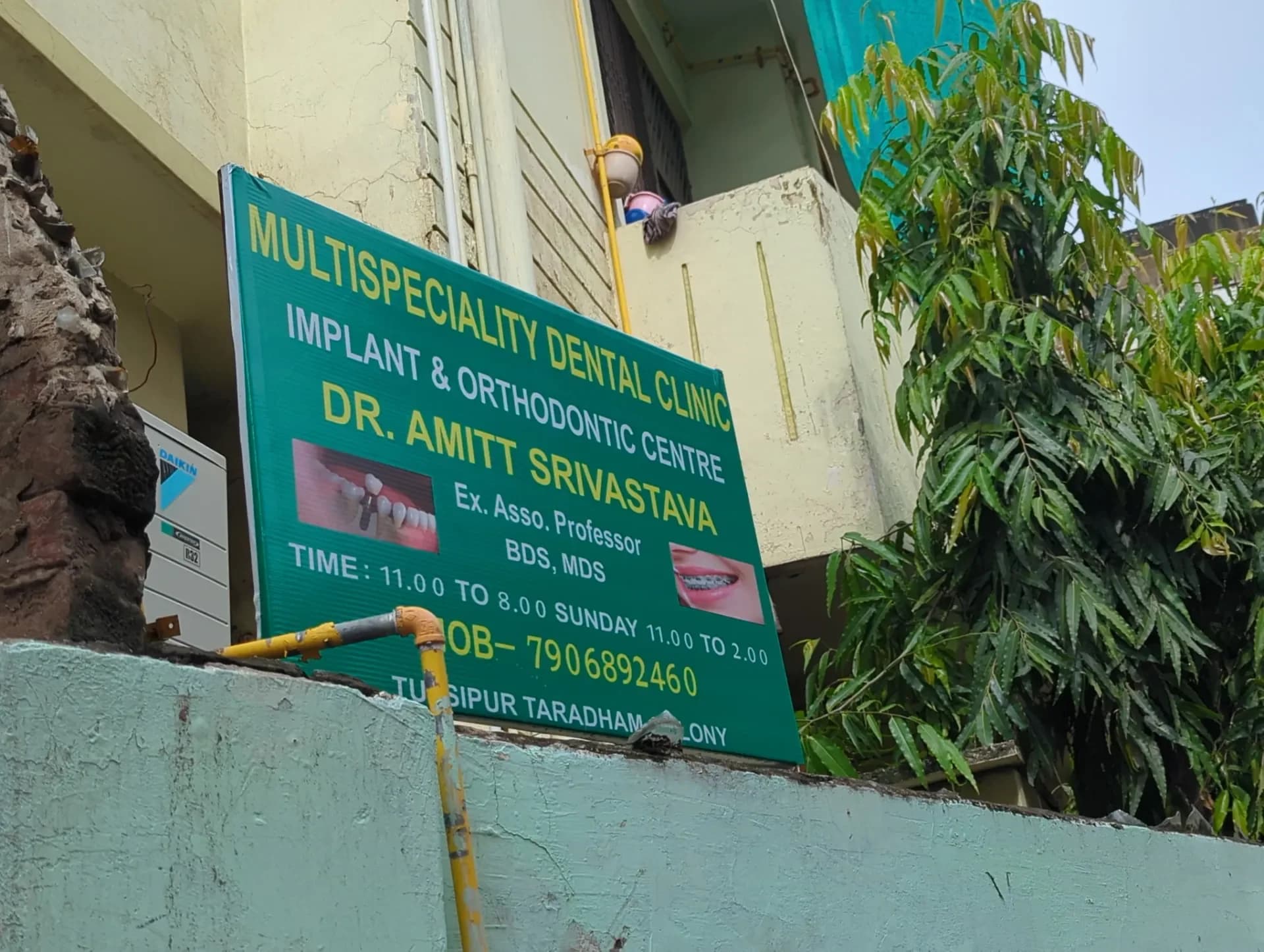
Multispeciality Dental Clinic
मल्टीस्पेशियलिटी डेंटल क्लिनिक
Clinic, Tulsipur, 70 m away
Granny'z Farm Fresh
ग्रैनी'ज़ फार्म फ्रेश
Shop, Tulsipur, 120 m away
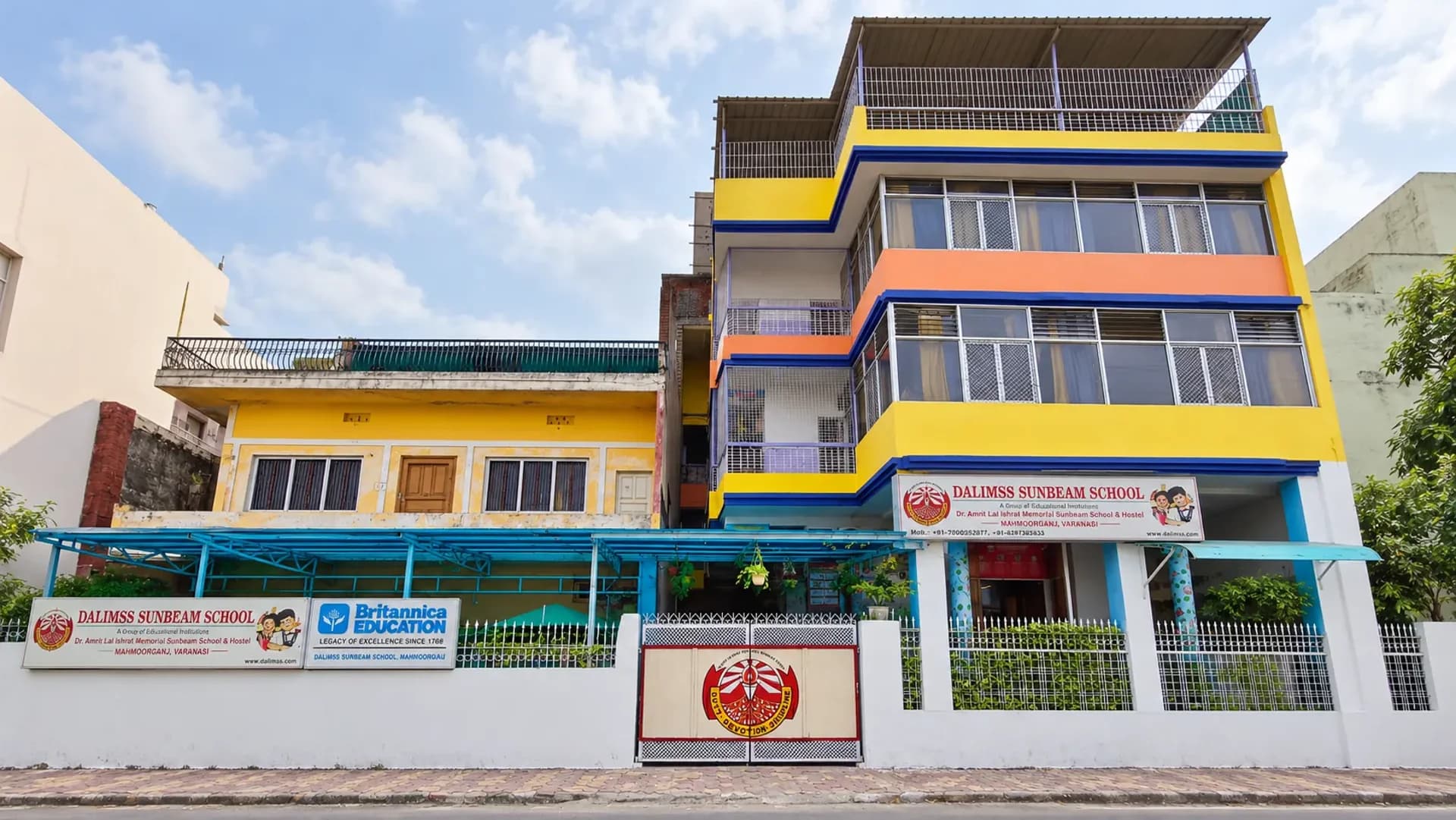
Dalimss Sunbeam School, Mahmoorganj
डालिम्स सनबीम स्कूल, महमूरगंज
School, Tulsipur, 150 m away
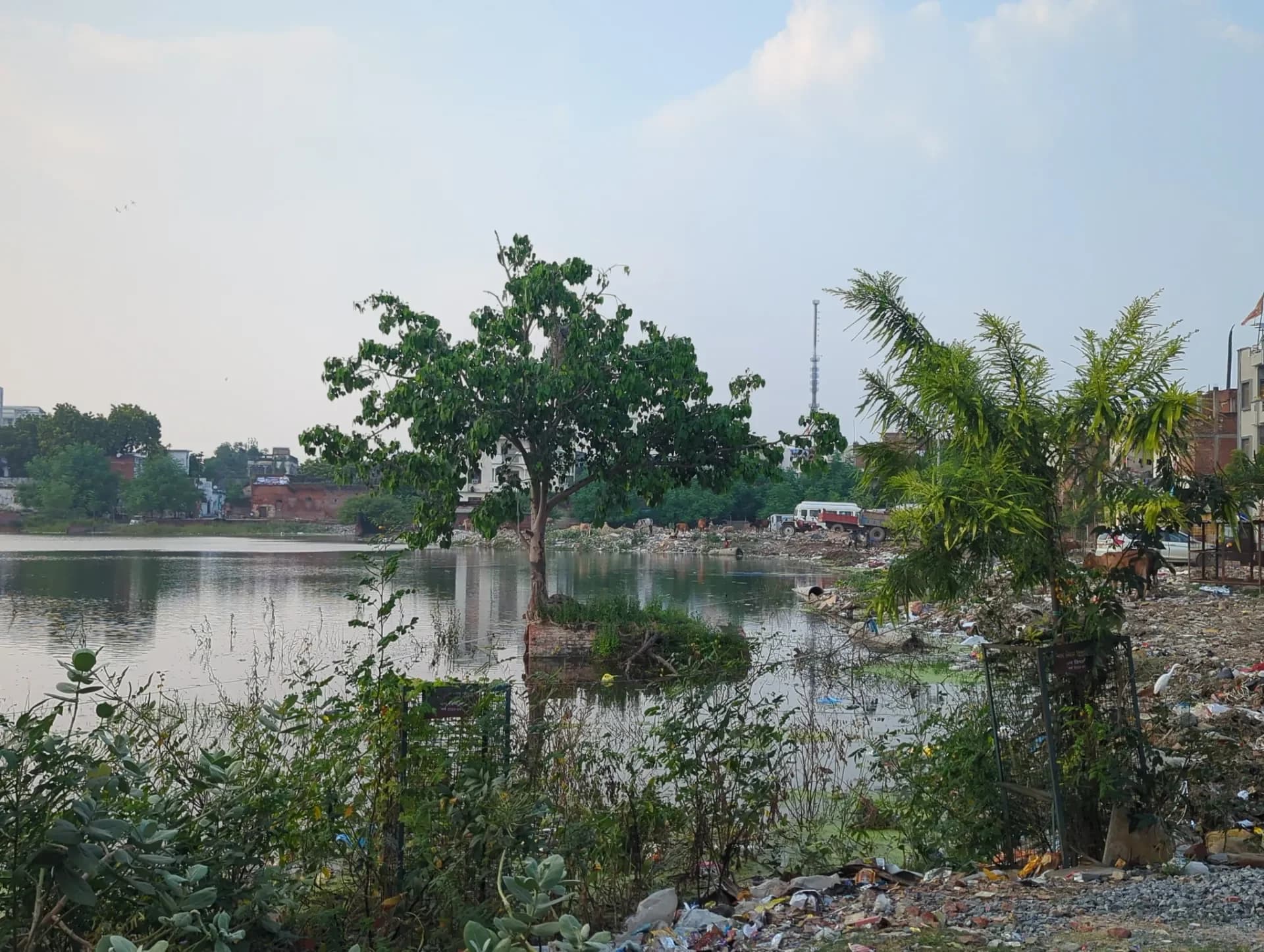
Moti Jheel
मोती झील
Park, Tulsipur, 170 m away