Hariyali Teej in Varanasi 2026: Swings, Kajri Songs, Green Finery & the Festival of Parvati
Last updated: 20 July 2026
Hariyali Teej in Varanasi: The Green Heart of the Monsoon
When the monsoon clouds gather over the Ganga and the neem and mango trees glisten with fresh rain, Varanasi welcomes one of the most graceful festivals of the season — Hariyali Teej. Its very name means the “green third”, and it celebrates the lush renewal that the rains bring to the land, the joyous devotion of women, and above all the eternal union of Goddess Parvati with Lord Shiva. In the city of Shiva himself, this festival of feminine devotion, folk song and colour finds a home unlike any other.
This guide explains the meaning of Hariyali Teej, how it is celebrated in Varanasi and the wider Banaras region, the beautiful rituals of swings and mehndi, and the beloved Kajri songs that give the season its voice. Whether you are a traveller, a culture lover, or someone tracing family traditions, here is everything you need to know.
When Is Hariyali Teej 2026?
In 2026, Hariyali Teej falls on Saturday, 15 August. It is observed on the third day (teej) of the bright fortnight of the monsoon month of Shravan, a few days before Nag Panchami and in the heart of the sacred Sawan season. Because it lands on a weekend this year, it is an especially lively time to witness the celebrations in the lanes, gardens and temples of the city. It sits beautifully within the wider rhythm of the season described in our guide to Sawan at Kashi Vishwanath.
The Meaning and Mythology of Teej
Hariyali Teej commemorates the day when Parvati, after a hundred lifetimes of penance and unwavering devotion, was finally united with Shiva as his consort. For this reason the festival is cherished by women as a celebration of love, devotion and marital harmony. Married women observe it praying for the wellbeing and long life of their husbands, and unmarried girls for a good and loving partner. But beyond the specific vows, Teej carries a broader and more joyful meaning: it is a festival of the feminine, of nature reborn in green, and of the deep bond between the divine couple whose love is at the very centre of Kashi’s spiritual imagination.
Why Teej Feels So Special in Kashi
Varanasi is, above all, the city of Shiva and Parvati — here worshipped as Vishwanath and Annapurna, the lord of the universe and the goddess who nourishes it. The whole city is, in a sense, a shrine to their union. So when women gather on Hariyali Teej to honour Parvati’s devotion, they are singing of a marriage that Banaras itself holds most sacred. Gauri (another name for Parvati) is worshipped in many shrines across the old city, and the festival brings a special tenderness to temple courtyards and family homes alike.
The Rituals: Green, Swings and Mehndi
Hariyali Teej is a feast for the senses, and its rituals are as beautiful as they are meaningful:
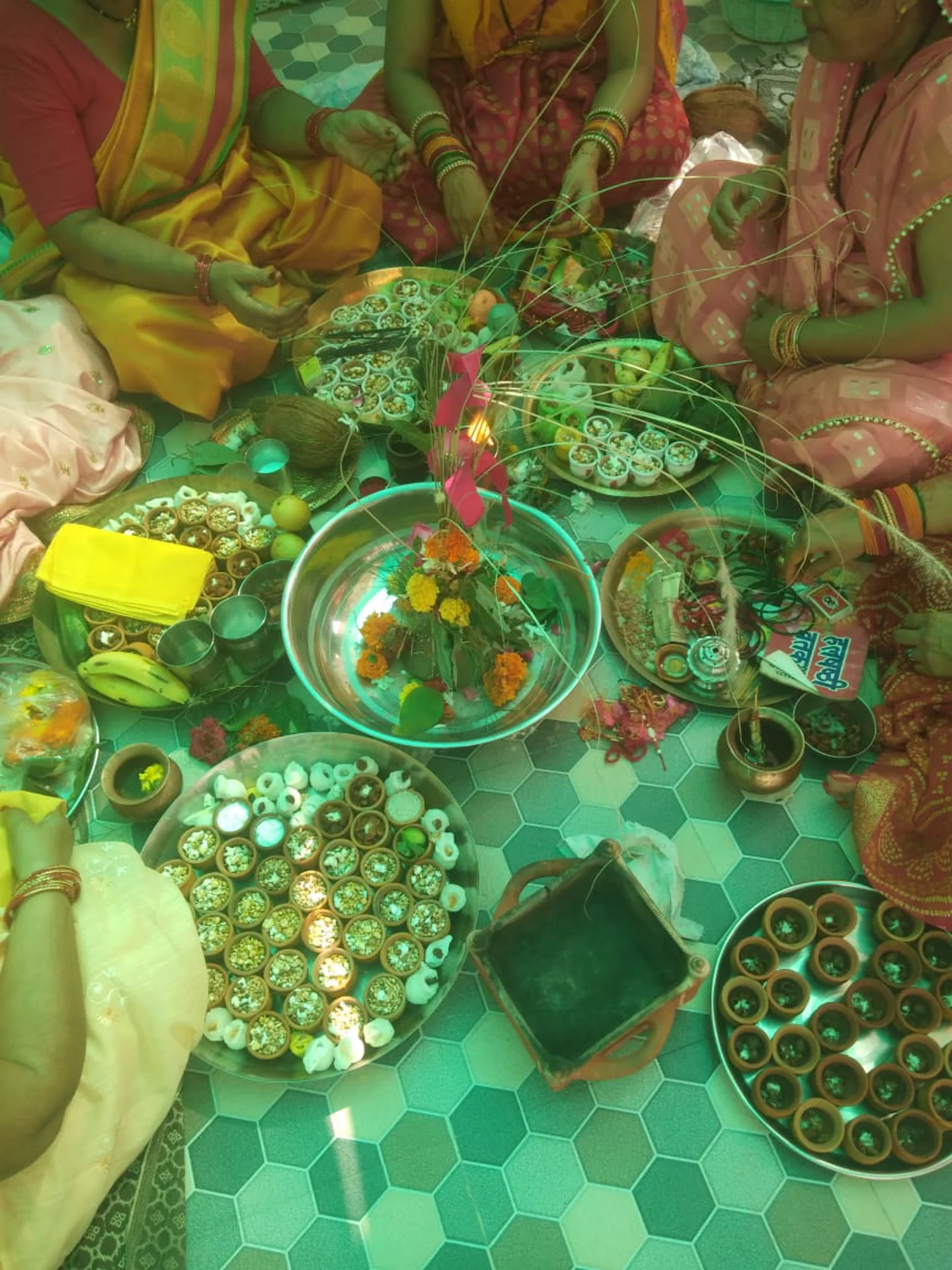
- Wearing green: Women dress in shades of green — the colour of the monsoon, of fertility and of new life. Green saris, green glass bangles, and green in the mehndi and jewellery all echo the freshly washed landscape.
- Jhula (swings): Perhaps the most enchanting image of Teej is the swing hung from a mango or neem tree, decorated with flowers, on which women and girls swing while singing. The jhula symbolises the carefree joy of the season and the playful love of Radha and the gopis, of Shiva and Parvati.
- Mehndi: Intricate henna designs are applied to hands and feet, a ritual of adornment and auspiciousness cherished by women of all ages.
- Fasting and prayer: Many married women keep a devout fast, sometimes without food or water, offering prayers to Parvati and Shiva for a happy married life.
- Sringar and gifts: The festival is a time of sringar (adornment) — new clothes, bangles, bindis and sweets. In many families, a mother sends the traditional sindhara gift of clothes and sweets to her married daughter.
Kajri: The Monsoon Songs of the Banaras Region
No account of Teej in Varanasi is complete without Kajri — the soulful folk songs of the monsoon that belong so deeply to the Banaras and neighbouring Mirzapur region. Kajri songs speak of the longing of a woman for her beloved during the rains, of dark clouds and dancing peacocks, of separation and reunion. Sung by women on swings and in gatherings during Teej and through the month of Shravan, Kajri is one of the great living folk traditions of eastern Uttar Pradesh, and it gives the festival its unmistakable emotional voice. To hear Kajri drifting from a courtyard while rain patters on the leaves is to understand the very soul of a Banaras monsoon. You can learn more about the city’s musical heritage in our Varanasi culture guide.
Green Bangles and Banarasi Finery: The Teej Marketplace
In the days before Teej, the markets of Varanasi come alive. Lanes fill with stalls of green glass bangles, mehndi cones, ribbons and trinkets, while the famous silk emporiums display their finest weaves. Teej is a natural occasion to admire and acquire the city’s legendary Banarasi sarees, whose golden zari and rich colours are the pride of every festive wardrobe. Even if you are only browsing, the pre-Teej bazaars are a wonderful window into the living craft economy of Kashi.
Where and How to Experience Teej in Varanasi
Temples and Gauri shrines: Visit the Shiva-Parvati and Gauri temples of the old city to see devotional gatherings and beautifully decorated shrines. The atmosphere around Kashi Vishwanath is particularly devout during Shravan.
Homes, gardens and courtyards: Teej is above all a domestic and community festival. If you are fortunate enough to be invited to a family celebration, you will see swings, songs and shared sweets at their warmest.
The ghats: Begin the day with a serene morning by the river and the timeless Ganga Aarti in the evening, framing the festival within the eternal beauty of the ghats.
Practical Tips for Visitors
- Respect the domestic nature of the festival: Much of Teej happens in homes. Observe public celebrations graciously and always ask before photographing women in prayer or family gatherings.
- Dress for the monsoon: Mid-August is peak rainy season. Carry an umbrella, wear footwear suited to wet lanes, and protect your camera and phone.
- Wear green if you like: Visitors are warmly welcomed to join the spirit of the day by wearing green — a small, appreciated gesture of participation.
- Try the seasonal sweets: Ghewar and other monsoon delicacies appear at this time; explore them alongside the city’s famous street food.
- Hire a local guide to help you find community celebrations and to explain the Kajri songs and rituals as they unfold.
A Celebration of Love, Nature and Devotion
Hariyali Teej is, at its heart, a festival of gratitude — for the rains that green the earth, for the love that binds families, and for the divine union of Shiva and Parvati that Banaras holds most dear. It is gentle where other festivals are grand, intimate where others are public, and it reveals a softer, more lyrical side of a city usually associated with the intensity of the ghats. For the traveller willing to look closely, a monsoon visit around Teej offers something precious: the sight of Kashi at its most tender and alive, wrapped in green and singing to the rain.
Plan Your Teej Visit
Hariyali Teej 2026 is on 15 August. Combine it with the wider Sawan season, a walk through the ghats, and a browse of the Banarasi saree weavers for a rich and joyful monsoon experience in the city of Shiva.
Frequently Asked Questions
Is Hariyali Teej only for women?
The rituals of fasting and Parvati worship are traditionally observed by women, but the festive spirit — the swings, songs, sweets and green finery — is shared by families and communities, and visitors of all kinds are welcome to enjoy the atmosphere.
What is the difference between Hariyali Teej and other Teej festivals?
Hariyali Teej is the monsoon Teej, celebrated in Shravan and centred on greenery, swings and Kajri songs. Other Teej festivals, such as Kajari Teej and Hartalika Teej, follow later in the season with their own distinct customs.
Can tourists join the celebrations?
Yes, respectfully. Public temple gatherings and market bazaars are open to all, and wearing green or learning a little about Kajri will deepen your appreciation of this graceful festival.
Sindhara, Sisters and the Bonds of Family
One of the quietly moving aspects of Hariyali Teej in the Banaras region is the way it strengthens the bonds between families, and especially between a married woman and her parental home. In the run-up to the festival, it is customary for parents to send their married daughters the sindhara — a loving gift-basket that may include new green clothes, glass bangles, mehndi, sweets such as ghewar, and small tokens of affection. For a young woman who has moved to her husband’s home, receiving the sindhara is a cherished reminder that she is still held close by the family she was born into. In many households the daughters return to their maternal home for Teej, and the courtyards fill with the laughter of sisters, cousins and old friends reunited under the monsoon sky. This gentle emphasis on remembrance, belonging and the enduring ties of family gives the festival an emotional depth that goes far beyond its rituals, and it is one of the reasons Teej is awaited so eagerly each year.
For a visitor, understanding this dimension transforms the festival from a colourful spectacle into something more human and touching — a celebration not only of a goddess and her divine marriage, but of the everyday love that sustains ordinary families through the turning of the seasons.